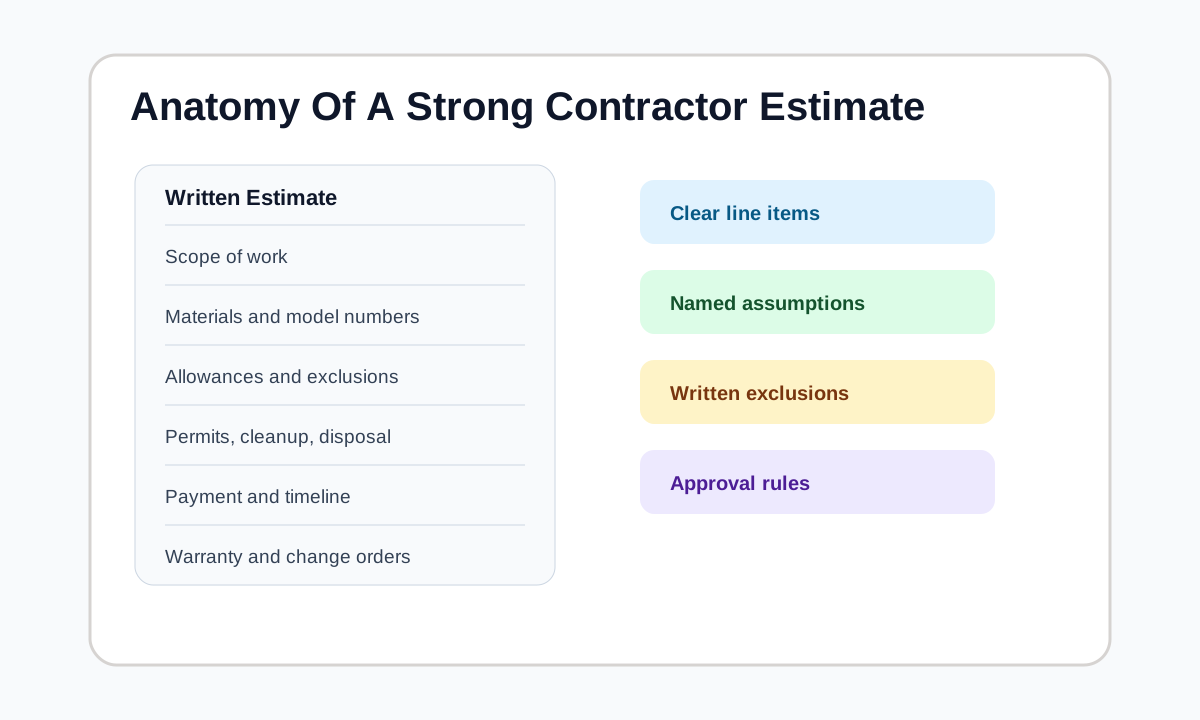
A contractor estimate should help you understand the work being priced, the assumptions behind the price, and the situations that could change the price. It does not need to be complicated for every small job, but it should be clear enough that both sides know what is being agreed to.
The more expensive or disruptive the project, the more important written detail becomes. A bathroom remodel, roof replacement, HVAC replacement, or basement finish needs more structure than a simple service visit because there are more materials, trades, inspections, and hidden conditions.
Essential estimate sections
A useful estimate starts with contractor and homeowner information, project location, date, and a clear description of the work. It should then define labor, materials, prep, demolition, permits, cleanup, schedule, payment terms, change-order process, warranty, and exclusions.
You do not need a legalistic document to make an estimate useful. You need enough detail to compare it with other quotes and enough clarity to reduce arguments later.
- Project description and measurable scope.
- Labor and trade work included.
- Material specifications or allowances.
- Prep, demolition, protection, and disposal.
- Permit and inspection responsibility.
- Timeline, payment schedule, change-order process, and warranty.
Labor and materials
Labor should be described by work performed, not just by a dollar amount. For example, remove existing flooring, prepare subfloor, install underlayment, install new flooring, add transitions, reinstall shoe molding, and clean work area is clearer than install flooring.
Materials should be specific when selections are known. If selections are not final, the quote should use allowances. A clear allowance says how much money is included for a category and what happens if the final selection costs more or less.
Prep, demolition, permits, and cleanup
Prep and demolition are common sources of quote disagreement because they happen before the visible finished work. Removing old material, protecting adjacent areas, fixing substrate problems, and hauling debris all take time and money.
Permits and cleanup should not be afterthoughts. If permits are required, the estimate should say who is responsible for applying, scheduling inspection, and paying fees. Cleanup should explain debris removal, final broom-clean condition, and whether specialty disposal is excluded.
Timeline, payment schedule, and warranty
Timeline language should be realistic. It may include a start window, expected duration, dependencies, material lead times, and what could cause delays. A quote that promises immediate completion despite unresolved selections or permits should be questioned.
Payment schedule should connect money to project events. Warranty language should explain what is covered by labor, what is covered by product manufacturers, how long coverage lasts, and what maintenance or misuse exclusions apply.
Change-order process
A change order is not automatically a problem. Hidden rot, damaged subfloor, obsolete electrical, or a homeowner-requested upgrade can legitimately change the scope. The problem is starting work without a written process for approving and pricing changes.
The estimate should explain whether extra work requires written approval, how labor and materials are priced, and whether work pauses until approval is given. That protects both the homeowner and the contractor.
Estimate completeness checklist
- Project scope is measurable and specific.
- Labor steps are described in plain language.
- Materials are named or allowances are stated.
- Prep, demolition, protection, and disposal are addressed.
- Permits, inspections, timeline, payment schedule, and warranty are written.
- Exclusions and change-order process are clear.
Example line-item estimate
For a flooring project, a line-item estimate might include: remove existing carpet, haul away debris, inspect subfloor, install underlayment, install selected plank flooring, add transitions at doorways, reinstall shoe molding, and clean work area. It might also include an allowance for subfloor repair if damage is found after removal.
That is far more useful than a single line saying new flooring. The line items do not guarantee the final cost, but they make the quote easier to compare and make missing assumptions easier to spot.
Estimate section table
| Section | What it should answer | Why it matters |
|---|---|---|
| Scope | What work and area are included? | Defines the job being priced |
| Materials | Which products or allowances? | Prevents quality and finish misunderstandings |
| Prep/demo | What happens before installation? | Often creates hidden labor cost |
| Permits | Who handles inspection requirements? | Avoids schedule and compliance confusion |
| Payment | When is money due? | Shows how risk is shared |
| Warranty | What happens after completion? | Clarifies responsibility after final payment |
Contractor red flags
- The estimate has a total but no scope breakdown.
- Allowances are too low or undefined.
- Exclusions are missing or overly broad.
- No written change-order process exists.
- Warranty terms are verbal only.
Questions to ask before hiring
- Can you break this into labor, materials, prep, disposal, and closeout?
- Which items are fixed and which are allowances?
- What is excluded from this estimate?
- How are changes approved before extra work begins?
Related tools and references
How to use this guide with a real quote
- Treat the estimate as the project map. If a future dispute happens, people will look back at the written scope, exclusions, payment terms, and change-order process. A clearer estimate now can prevent an argument later.
- Ask for detail where detail changes the decision. You may not need every fastener listed, but you do need product lines, allowances, demolition assumptions, disposal, permit responsibility, warranty, and the process for hidden conditions.
- If the contractor prefers a lump sum, you can still ask for scope clarity. A lump-sum price and a detailed scope are not opposites. The price can remain bundled while the work description becomes specific enough to compare.
- Before signing, read the estimate from finish to start. Imagine the finished project, then ask what had to happen to get there: protection, demolition, prep, installation, inspection, cleanup, warranty paperwork, and punch-list completion.
- If a section feels too technical, ask for a plain-English explanation rather than skipping it. The parts that seem dry, such as exclusions, substrate repair, code assumptions, and warranty limitations, often control whether the estimate stays on budget.
How this guide was created
This guide is written as a homeowner quote-review framework. It favors transparent assumptions, practical checklists, examples, and questions to ask before hiring. It does not rank contractors, provide legal advice, or claim that any planning range is an exact local price.
FAQ
Does every estimate need itemized pricing?
Not always, but every estimate should explain scope, materials, exclusions, payment terms, and change-order process clearly enough to compare.
What are allowances?
Allowances are budget placeholders for items not fully selected yet. They should state the amount included and how overages or credits are handled.
Should permits always be included?
Not always, but responsibility should be written clearly where permits or inspections may apply.
Contractor Quote Checker does not provide professional construction, legal, insurance, or financial advice. Use this guide to prepare better questions and get comparable written quotes from qualified contractors.