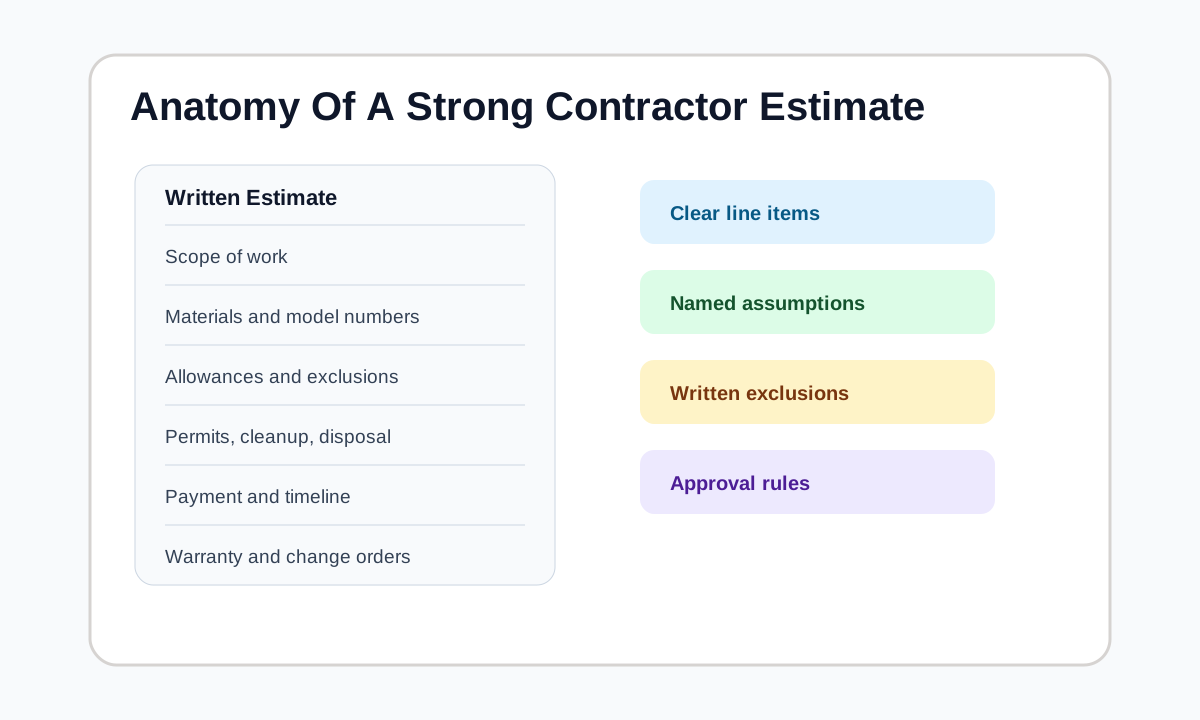
Comparing contractor quotes is not the same as choosing the lowest number. A quote is a bundle of scope, materials, labor assumptions, schedule, warranty, payment terms, exclusions, and risk. Two quotes can describe different jobs while looking similar at the bottom line.
The safest comparison starts by making the quotes comparable. If one bid includes permits, cleanup, premium materials, and written warranty terms while another only says labor and materials, the cheaper quote may simply be less complete.
Why cheapest is not always best
A low quote can be legitimate when the contractor has efficient crews, simple access, good supplier pricing, or a narrow scope that matches your needs. It becomes risky when the low number depends on vague materials, missing permits, excluded prep, undefined cleanup, or change orders that are likely to appear later.
The right question is not whether the quote is cheap. The right question is what the quote includes, what it excludes, and what assumptions would cause the price to change.
Quote comparison framework
Start with scope. Identify what physical work each contractor promises to perform and what finished condition they are pricing. Then compare materials by product line, grade, model number, finish, and allowance. After that, compare timeline, warranty, payment schedule, exclusions, and change-order process.
A strong quote should let you understand what happens before work starts, during work, and after work is complete. If a quote is vague in one of those stages, ask for clarification before treating it as comparable.
- Scope: what work is included and what finished result is expected.
- Materials: exact product, allowance, grade, finish, or acceptable equivalent.
- Timeline: start window, duration, dependencies, and decision deadlines.
- Warranty: labor warranty, product warranty, and who handles registration.
- Payment: deposit, progress payments, final payment, and retainage if used.
- Exclusions: items that could create extra cost later.
How to normalize quotes
Create a simple comparison sheet with one row for each quote and one column for each major assumption. Do not fill missing information with optimism. If a quote does not mention disposal, mark disposal as unclear. If materials are not named, mark materials as unspecified.
Then ask each contractor for a revised quote or written clarification. You are not asking them to copy another contractor. You are asking them to make their own offer understandable enough to compare.
Payment schedule and warranty deserve special attention
Payment terms reveal how project risk is shared. A reasonable schedule usually connects payments to ordering, start, progress milestones, and completion. Large upfront payments without clear material ordering or project start details deserve careful review.
Warranty terms matter because they explain what happens after final payment. Ask what is covered, for how long, what is excluded, and whether product warranty registration is included. Verbal warranty promises are hard to compare.
Comparison checklist
- Put each quote into the same comparison table.
- Mark unclear fields instead of assuming they are included.
- Compare product lines, allowances, and model numbers.
- Confirm permit, inspection, cleanup, and disposal responsibility.
- Compare payment schedule and change-order process.
- Ask for written revisions before choosing based on price.
Example: lower total, weaker scope
Quote A is $9,800 and includes demolition, disposal, permit, mid-grade materials, cleanup, and a one-year labor warranty. Quote B is $8,900 but lists only labor and materials. At first glance, Quote B looks cheaper.
After comparison, Quote B has no disposal line, no permit responsibility, no material line, and no warranty detail. If those missing items matter, Quote B is not yet comparable. The next step is to ask Contractor B for a revised quote that defines those assumptions.
Example comparison table
| Category | Quote A | Quote B | What to ask |
|---|---|---|---|
| Scope | Detailed demolition and install | General install language | What prep and removal are included? |
| Materials | Named product line | Standard materials | Which product, grade, and finish? |
| Permits | Included if required | Not mentioned | Who handles permit and inspection? |
| Cleanup | Included | Not mentioned | Is disposal and final cleanup included? |
| Warranty | Written labor warranty | Verbal warranty | Can warranty terms be added to the quote? |
Contractor red flags
- The quote is far lower but missing materials, permits, disposal, or warranty.
- Payment terms require a large deposit without clear ordering or start details.
- The contractor will not put exclusions or change-order terms in writing.
- The timeline sounds certain even though selections or permits are unresolved.
Questions to ask before hiring
- Can you revise this quote so scope, materials, permits, cleanup, warranty, and exclusions are clear?
- What items are allowances rather than fixed selections?
- What conditions would trigger a change order?
- How are progress payments tied to completed work?
Related tools and references
How to use this guide with a real quote
- Do not normalize quotes by deleting inconvenient differences. If one contractor includes permit handling and another excludes it, keep that difference visible. The purpose of comparison is to expose scope differences, not to force every quote into the same total.
- When a quote is missing information, ask for a revision instead of building your own assumptions into the comparison. A contractor may have intentionally excluded an item, assumed the homeowner would handle it, or simply left the detail out of the written version.
- Use the comparison tool after you have clarified the obvious gaps. The tool is strongest when each quote has enough written detail to score scope completeness, not when every field is filled with guesses.
- If two quotes are close in price, let completeness, communication, warranty, schedule, and change-order process carry more weight. A slightly higher quote can be easier to manage if the contractor has already answered the questions that usually become disputes.
- When a contractor says another bid is not comparable, ask them to identify the exact difference. The answer should point to scope, material, schedule, warranty, access, or exclusions. If the answer is only that the other contractor is wrong, you still need a clearer written comparison.
How this guide was created
This guide is written as a homeowner quote-review framework. It favors transparent assumptions, practical checklists, examples, and questions to ask before hiring. It does not rank contractors, provide legal advice, or claim that any planning range is an exact local price.
FAQ
Should I show contractors competing quotes?
You can ask for clarification without sharing another contractor's pricing. Focus on making each quote complete enough to compare on its own.
Is the highest quote always safest?
No. A high quote may reflect better scope, premium materials, scheduling risk, or simply a higher business model. Ask what explains the difference.
What if a contractor refuses to clarify?
That is a useful signal. You may decide not to proceed until the scope, exclusions, and payment terms are clear enough for your comfort.
Contractor Quote Checker does not provide professional construction, legal, insurance, or financial advice. Use this guide to prepare better questions and get comparable written quotes from qualified contractors.