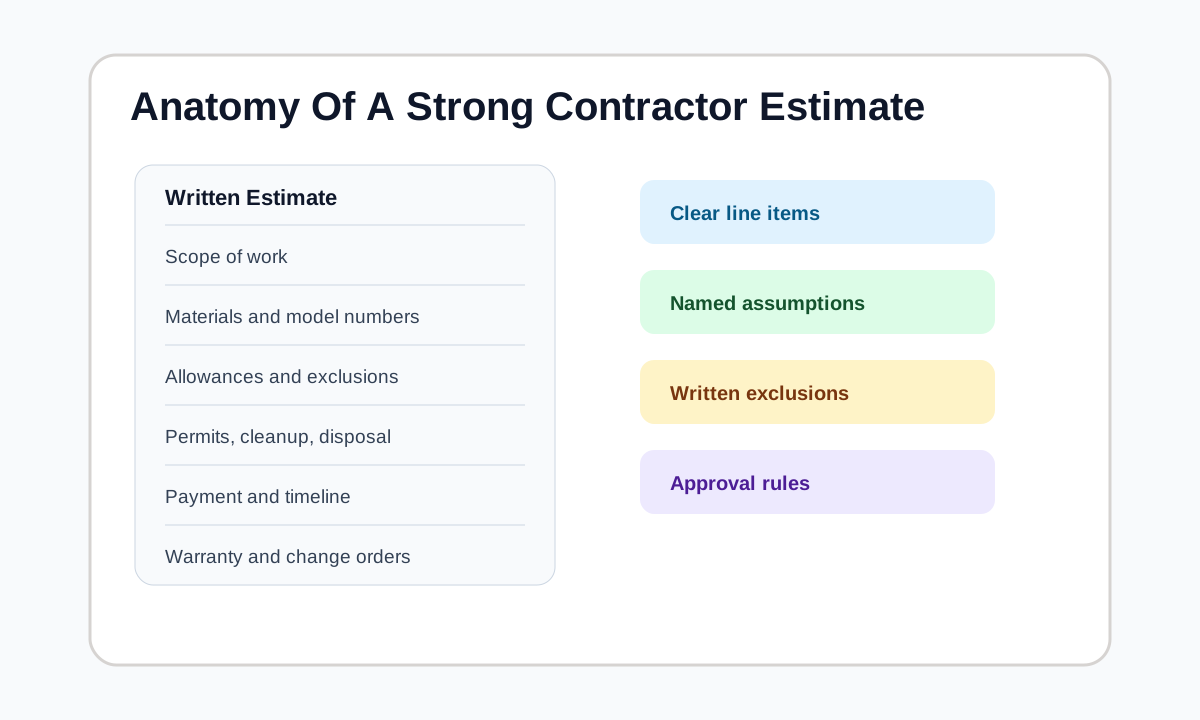
A contractor quote red flag is not always proof that a contractor is bad. Sometimes it means the quote is unfinished, rushed, or written for a different scope than you expected. The risk is signing before those gaps are resolved.
The safest response to a red flag is a calm written question. Ask the contractor to clarify the scope, materials, exclusions, payment schedule, warranty, or change-order process. A good contractor should be able to explain what is included and what is not.
Vague scope
Vague scope is the most common warning sign because it affects every other part of the quote. If the quote says remodel bathroom, replace roof, install flooring, or repair deck without defining the work, you cannot know what the price covers.
Scope should describe the area, quantity, demolition, prep, installation, finish level, and closeout. The level of detail should match the size and risk of the job. A small repair may not need pages of detail, but a major remodel should not be summarized in one sentence.
Missing materials
Materials should be named or defined by allowance. A quote that says premium, standard, builder grade, or similar without product details creates comparison problems. One contractor's standard product may be very different from another's.
Ask for model numbers, product lines, finish names, thickness, grade, efficiency rating, warranty class, or allowance amount where relevant. The goal is not to micromanage every screw. The goal is to avoid paying for one expectation while receiving another.
Large upfront deposit
Deposits can be normal when materials must be ordered, custom products are involved, or the contractor is reserving schedule. The red flag is a large upfront payment without clear material ordering, start date, cancellation terms, or milestone schedule.
Before paying, ask what the deposit covers, when materials are ordered, whether custom items are refundable, and what happens if the start date changes. Payment terms should be understandable before money changes hands.
No permit, cleanup, disposal, or warranty detail
These items are often missing because they are not the most exciting part of the project. They matter because they can create cost, delays, or disputes. If permit responsibility is unclear, you may not know who schedules inspection. If disposal is unclear, debris removal may cost extra.
Warranty detail matters after final payment. A quote should explain whether there is a labor warranty, which product warranties apply, and what is excluded. Verbal warranty promises are difficult to compare across contractors.
Pressure tactics
A limited schedule window or expiring supplier price can be real. Pressure becomes concerning when you are discouraged from reading the quote, asking questions, getting another bid, or verifying scope.
A contractor who is confident in the work should be willing to explain assumptions. If the answer to reasonable questions is that you must sign today, slow down.
Red flag review checklist
- Scope is measurable and tied to a clear finished result.
- Materials are named, specified, or assigned realistic allowances.
- Permits and inspections are addressed when relevant.
- Demolition, disposal, protection, and cleanup are included or excluded clearly.
- Payment schedule is written and tied to project milestones.
- Warranty and change-order process are written.
Example: bad quote vs better quote
A weak quote says: replace old deck, labor and materials included, $14,000. That may sound simple, but it does not explain footings, framing, decking material, railing, stairs, permits, demolition, disposal, or warranty.
A better quote says: remove existing 12-by-16 deck, dispose of debris, install new code-compliant framing, composite decking line named in the quote, aluminum railing, one stair set, permit by contractor, inspection included, cleanup included, written labor warranty. The better quote may not be the cheapest, but it gives you something real to compare.
Red flag and response table
| Red flag | Why it matters | Question to ask |
|---|---|---|
| Vague scope | You cannot compare what is included | Can you list the work steps and exclusions? |
| Unspecified materials | Product quality may differ from expectation | Which product line or allowance is included? |
| Large deposit | Risk is front-loaded before work begins | What does the deposit cover and when do materials arrive? |
| No cleanup detail | Debris removal can become extra cost | Is disposal and final cleanup included? |
| No warranty detail | After-work responsibility is unclear | What labor warranty is written into the quote? |
Contractor red flags
- One-line lump sum for a multi-step project.
- Refusal to identify materials or allowances.
- Permit responsibility brushed off for work that may require inspection.
- Cash-only language or pressure to avoid written records.
- Change orders are described verbally but not written.
Questions to ask before hiring
- Can you show the exclusions in writing?
- What is the exact product or allowance behind this price?
- What would cause this price to change after work starts?
- How do you document approval before extra work is performed?
Related tools and references
How to use this guide with a real quote
- A red flag should trigger verification, not automatic rejection. Ask the contractor to clarify the issue in writing, then judge the response. Some thin quotes are easy to fix; others reveal that the contractor does not want the scope examined closely.
- Prioritize red flags that can change the final cost or the finished result. Missing cleanup language matters, but missing structural, waterproofing, electrical, permit, or warranty assumptions can matter even more because they affect safety, durability, and accountability.
- Watch for clusters of small warnings. A quote that is vague on scope, vague on materials, vague on payment, and vague on warranty is riskier than a quote with one missing detail that the contractor quickly clarifies.
- Keep your tone practical. A useful message is: I want to compare this fairly. Can you confirm whether demolition, disposal, permit responsibility, and warranty are included? That gives the contractor a clear path to improve the quote.
How this guide was created
This guide is written as a homeowner quote-review framework. It favors transparent assumptions, practical checklists, examples, and questions to ask before hiring. It does not rank contractors, provide legal advice, or claim that any planning range is an exact local price.
FAQ
Is a missing detail always a red flag?
Not always. Small jobs can have shorter quotes. The concern grows when missing details affect price, safety, permits, warranty, or change-order risk.
How should I ask about a red flag?
Ask in writing and keep the tone practical. For example: Can you clarify whether disposal, permit, and cleanup are included?
Should I walk away from every vague quote?
Not immediately. Ask for clarification first. If the contractor will not clarify important assumptions, that response becomes part of your decision.
Contractor Quote Checker does not provide professional construction, legal, insurance, or financial advice. Use this guide to prepare better questions and get comparable written quotes from qualified contractors.